Source Eco Friendly Insect Sticky Catcher for Kitchen, Office, and Entryway
Source eco friendly insect sticky catcher options from 30 verified products. Compare glue traps, gel baits, and disposable designs for immediate pest control in kitchens, offices, and entryways. Evaluate MOQs, shelf life, and customization features to find the right solution for your pest management needs.
Key considerations
Products List




Comprehensive Sourcing Guide
Eco Friendly Insect Sticky Catcher Sourcing Guide
Procuring eco-friendly insect sticky catchers requires a nuanced understanding of adhesive chemistry and material sustainability, as these factors directly influence both efficacy and environmental impact. Buyers must distinguish between products labeled as "natural" or "eco-friendly" and those that merely use biodegradable substrates while retaining synthetic adhesives. The observed market data indicates a strong presence of glue traps designed for flies and general insects, with specific models like NRTG012 and NRTG015 highlighting the prevalence of solid, non-rechargeable units. These products are typically engineered for immediate effectiveness, relying on physical entrapment rather than chemical toxicity, which aligns with growing demand for safer pest management solutions in residential and commercial settings.
The sourcing landscape is dominated by manufacturers in Zhejiang, China, offering a wide range of customization options including logo printing and packaging adjustments. Key attributes such as a two-year shelf life and a six-month field life suggest that adhesive stability is a critical performance metric for buyers. With minimum order quantities ranging from 100 to 50,000 pieces, procurement strategies must balance inventory holding costs with the need for consistent supply. Buyers should prioritize suppliers who provide transparent details on the composition of the sticky surface, ensuring that the "eco-friendly" claim is substantiated by the absence of harmful volatile organic compounds or persistent synthetic polymers in the adhesive matrix.
Product Scope and Observed Listing Signals
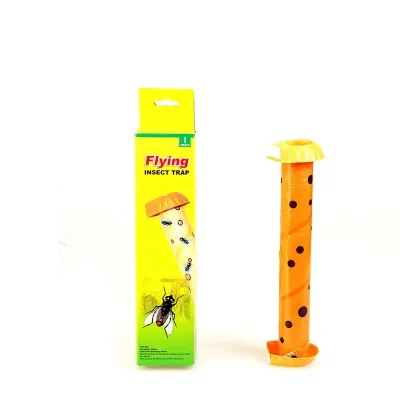
The current market for sticky insect catchers features a diverse array of physical forms, primarily solid traps and gels, tailored for specific pest types such as flies, mosquitoes, ants, and general insects. Models like NRTG118 and S811 demonstrate the variety in sizing and packaging, with some units designed for desktop or kitchen use and others intended for broader indoor-outdoor application. The observed product dimensions, ranging from compact 3.8x78cm strips to larger 18.5x25.5cm panels, indicate that buyers must select formats that match their specific spatial constraints and pest activity patterns. This variety allows for targeted pest management strategies, where different trap types can be deployed in entryways, offices, or outdoor areas depending on the primary pest threat.
Customization is a significant driver in this category, with many suppliers offering tailored packaging solutions such as blister cards, polybags, or bulk cartons to suit different retail or industrial needs. The availability of customized logos and regular designs suggests that branding plays a crucial role in the final product value, particularly for private label opportunities. Buyers should note that while many products are described as eco-friendly and natural, the specific materials used for the backing and adhesive vary widely. It is essential to verify whether the "natural" claim refers to the substrate material, the adhesive source, or the overall manufacturing process, as this distinction impacts the product's environmental footprint and regulatory compliance in different markets.
Technical Specifications to Verify
When evaluating technical specifications, buyers must focus on the adhesive performance and physical durability of the sticky catcher, as these determine the product's effectiveness in real-world conditions. Key parameters to verify include the tackiness level, which should remain consistent over the product's stated field life of six months, and the resistance to environmental factors such as heat, humidity, and dust. For models like NRTG013, which is described as a gel, the viscosity and spreadability are critical factors that influence application ease and coverage area. Buyers should request samples to test the adhesive's performance under varying temperature conditions, ensuring that it does not dry out prematurely or become too fluid in high-heat environments.
Packaging specifications are equally important, as they protect the adhesive integrity during storage and transit. Observed packing formats include 500 pieces per carton for bulk items and smaller blister card packs for retail, with some suppliers offering customized packaging solutions. Buyers should verify the moisture barrier properties of the packaging to prevent the adhesive from losing its stickiness before use. Additionally, the physical dimensions of the traps, such as the 50g weight for NRTG118 or the 136x136mm size for S811, should be cross-referenced with the intended application area to ensure optimal coverage. It is also advisable to confirm the shelf life of two years under recommended storage conditions to minimize waste and ensure product freshness upon deployment.
Compliance and Safety Documentation
Safety documentation is paramount when sourcing eco-friendly insect sticky catchers, particularly for products intended for use in homes with pets or children. Although many products are marketed as natural and eco-friendly, buyers must verify that the adhesives and any incorporated attractants do not pose risks to non-target organisms. The observed attribute "Keep Pets Away During Application" for certain models highlights the need for clear safety instructions and hazard communication. Buyers should request Material Safety Data Sheets (MSDS) and toxicology reports to confirm that the products are free from harmful pesticides, heavy metals, or allergenic substances, ensuring compliance with local consumer safety regulations.
Regulatory compliance also extends to environmental claims, requiring substantiation for any "eco-friendly" or "biodegradable" labels. Buyers should inquire about the certifications held by the supplier, such as ISO 14001 for environmental management or specific biodegradability standards, to validate the sustainability claims. In markets with strict chemical regulations, such as the EU or North America, it is crucial to ensure that the product does not contain restricted substances listed in relevant directives. Additionally, buyers should verify that the packaging materials are recyclable or made from recycled content, aligning with broader corporate sustainability goals and reducing the overall environmental impact of the product lifecycle.
Cost Drivers and Commercial Terms
Cost structures for eco-friendly insect sticky catchers are influenced by several factors, including the type of adhesive used, the complexity of customization, and the order volume. The observed minimum order quantities, ranging from 100 to 50,000 pieces, indicate that economies of scale play a significant role in pricing. Buyers should negotiate tiered pricing structures that reflect these volume discounts, while also considering the costs associated with custom packaging and logo printing, which may incur additional setup fees. The production time of approximately 20 days for customized orders should be factored into supply chain planning to avoid stockouts, especially during peak pest seasons.
Payment terms and logistics costs are also critical components of the total cost of ownership. Standard payment terms like TT (Telegraphic Transfer) are common, but buyers should explore options for secure payment methods or escrow services to mitigate risk. Shipping costs can vary significantly based on the weight and dimensions of the cartons, with bulk shipments offering better per-unit logistics efficiency. Buyers should also consider the potential for import duties and taxes in their destination markets, which can impact the final landed cost. Clear communication regarding Incoterms is essential to define responsibility for shipping and insurance, ensuring that there are no unexpected expenses during the procurement process.
Supplier Qualification and Quality Control
Supplier qualification is a critical step in ensuring the reliability and consistency of eco-friendly insect sticky catchers. Buyers should conduct thorough due diligence on potential suppliers, verifying their manufacturing capabilities, quality management systems, and track record in the pest control industry. Factories in Zhejiang, China, are known for their expertise in this sector, but buyers should still request evidence of their production capacity and ability to meet specific customization requirements. It is advisable to visit the facility or hire a third-party inspection agency to assess the cleanliness of the production environment, which is crucial for maintaining the integrity of the adhesive and preventing contamination.
Quality control measures should be clearly defined and agreed upon before production begins. Buyers should establish acceptance criteria for key attributes such as adhesive strength, dimensional accuracy, and packaging integrity. Regular inspections during production and before shipment can help identify and rectify any defects early in the process. Additionally, buyers should request samples for pre-production approval to ensure that the final product meets their specifications. Implementing a robust quality assurance protocol, including random sampling and testing, can help maintain consistent product quality and reduce the risk of receiving substandard goods, thereby protecting the buyer's brand reputation and customer satisfaction.
Long-Term Procurement Checks
Long-term procurement success depends on establishing a sustainable and adaptable supply chain for eco-friendly insect sticky catchers. Buyers should regularly review supplier performance metrics, including on-time delivery rates, product quality consistency, and responsiveness to issues. Building strong relationships with suppliers can facilitate better communication and collaboration, leading to improved product development and cost efficiencies over time. It is also important to stay informed about changes in regulations and market trends, such as new environmental standards or shifts in consumer preferences, to ensure that the sourced products remain compliant and competitive.
Continuous improvement initiatives should be integrated into the procurement process, encouraging suppliers to innovate and enhance their eco-friendly offerings. Buyers can collaborate with suppliers on research and development projects to explore new adhesive technologies or sustainable packaging materials that align with evolving sustainability goals. Additionally, maintaining a diversified supplier base can mitigate risks associated with supply chain disruptions, ensuring business continuity. By regularly assessing the total cost of ownership and value delivered, buyers can make informed decisions that support both immediate procurement needs and long-term strategic objectives, fostering a resilient and responsible supply chain.
FAQs
What physical forms are available for eco friendly insect sticky catchers?
The products come in solid and gel forms depending on the specific model selected. Some units are designed as glue traps while others utilize gel bait. This variety allows buyers to choose the most effective physical form for their specific pest control needs and application environment.
Can I customize the logo on these eco friendly insect sticky catchers?
Yes, customized logo acceptance is available for these products. Buyers can request branding on the packaging or the product itself to match their business identity. This customization option supports private labeling strategies for distributors and retailers looking to establish a unique market presence.
How long does the effectiveness last for eco friendly insect sticky catchers?
Effectiveness duration varies by product type, with some lasting one week and others providing field life up to six months. Shelf life is generally two years for storage. Immediate effectiveness is noted for certain models, ensuring rapid pest reduction upon application in the target area.
What is the minimum order quantity for eco friendly insect sticky catchers?
The minimum order quantity starts at 500 pieces for standard orders. However, observed ranges extend up to 50,000 pieces depending on the specific supplier and product configuration. Buyers should verify the exact MOQ for their selected model to ensure it aligns with their procurement volume requirements.
Where are these eco friendly insect sticky catchers manufactured?
Products originate from Zhejiang, China, with some listings specifying China as the general origin. This location indicates the manufacturing hub for the supply chain. Buyers sourcing from this region can expect established production capabilities for insect control devices and related pest management solutions.
Are these eco friendly insect sticky catchers suitable for indoor and outdoor use?
Yes, the products are designed for both indoor and outdoor applications. They are suitable for spaces like kitchens, entryways, offices, and desktops as well as general outdoor areas. This dual-use capability makes them versatile for comprehensive pest management strategies across different environments.